5 Steps to Win Your First Federal Government Contract in 2026
Breaking into federal contracting doesn't have to be overwhelming. Dr. McKnight shares the five essential steps every small business needs to take to win their first government contract this year.
The federal government is the world's largest buyer — spending over $600 billion annually on goods and services. Small businesses receive more than 23% of those dollars, which means there's more than $150 billion available to companies just like yours every single year. Yet most small business owners don't know where to start. That changes today.
Here are the five non-negotiable steps to winning your first federal contract in 2026.
Step 1: Get Your SAM.gov Registration Done Right
SAM.gov — the System for Award Management — is the federal government's official supplier database. Without an active SAM registration, you cannot bid on federal contracts, receive government payments, or be visible to contracting officers. Period.
Registration is free at SAM.gov, but the process is complex. You'll need your Employer Identification Number (EIN), your DUNS/UEI number, your NAICS codes, and detailed business information. Errors during registration can delay your active status by weeks or even months.
Pro tip: Many businesses make the mistake of rushing through SAM registration. Take your time with NAICS code selection — these codes determine which contracts you're eligible for. Choose too few and you miss opportunities. Choose the wrong ones and contracting officers won't find you.
Step 2: Identify the Right NAICS Codes for Your Business
NAICS (North American Industry Classification System) codes are 6-digit industry classifications that the government uses for every single contract. When a contracting officer issues a solicitation, they list a primary NAICS code that determines which businesses can bid.
Before you register on SAM.gov, research which NAICS codes best describe your business capabilities. Don't just pick one — most businesses legitimately qualify for multiple codes. The more relevant codes you register under, the more contract opportunities you'll find.
Here's what matters: each NAICS code has a size standard (annual revenue or number of employees) that defines what "small business" means in that industry. Make sure you qualify as a small business under the codes you select.
Step 3: Pursue the Right Certifications
Federal certifications give your business access to set-aside contracts — contracts that are reserved exclusively for businesses with specific certifications. This dramatically reduces competition and increases your win probability.
- The major certifications to consider:
- 8(a) Business Development Program — For socially and economically disadvantaged business owners. Provides access to sole-source contracts up to $4.5 million (services) and $7 million (manufacturing) with no competition required.
- HUBZone Certification — For businesses in Historically Underutilized Business Zones. The government targets 3% of all contract dollars for HUBZone businesses.
- WOSB/EDWOSB — Women-Owned Small Business certification. The government targets 5% of contract dollars for women-owned businesses.
- SDVOSB/VOSB — Service-Disabled Veteran-Owned Small Business. The government targets 3% for veteran-owned businesses.
You may qualify for more than one certification. Each one you hold opens additional doors.
Step 4: Find and Monitor Contract Opportunities
Once you're registered and certified, you need to actively hunt for opportunities. The primary source for federal contract opportunities is SAM.gov — specifically the Contract Opportunities section (formerly FedBizOpps). Set up keyword searches and email alerts for your NAICS codes.
- Other resources to monitor:
- USASpending.gov — See who's currently winning contracts in your industry and how much they're worth
- Agency-specific forecast tools — Many agencies publish annual procurement forecasts showing upcoming contracts
- Small Business Administration — The SBA's DSBS (Dynamic Small Business Search) helps contracting officers find you
Don't just respond to every solicitation you see. Be strategic. Identify contracts where you have a genuine competitive advantage — relevant experience, local presence, unique capabilities, or certifications that limit competition.
Step 5: Write a Proposal That Wins
This is where most small businesses lose. A technically compliant proposal isn't enough — you need a proposal that scores higher than your competitors on every evaluation factor.
Before you write a single word, read the solicitation completely. Understand the Statement of Work. Identify the evaluation criteria (price, technical approach, past performance, management plan) and their relative weights. Then build your proposal to maximize your score on the highest-weighted factors.
- Key principles for a winning proposal:
- Be compliant first — Follow every instruction exactly. Non-compliant proposals are disqualified.
- Use the government's language — Echo the solicitation's terminology throughout your proposal.
- Show, don't tell — Don't say you're experienced. Show your experience with specific, quantified examples.
- Address every evaluation criterion — If the government asks about quality control, dedicate a full section to it.
- Have someone else review it — Fresh eyes catch errors and identify missing information.
The Bottom Line
Winning your first federal contract is absolutely achievable for any well-run small business. The process has a learning curve, but it's learnable — and once you understand the system, it becomes a repeatable, reliable revenue stream.
If you want to shortcut the learning curve, that's exactly what The Contracting Preacher is here for. We've guided small businesses through this exact process, and a disciplined, honest approach to federal contracting is what makes the difference.
Schedule your free consultation today and let's map out your path to your first — or next — federal contract.
Ready to Win Contracts?
Get Personalized Guidance from Dr. McKnight
Every business situation is unique. Schedule a free 30-minute consultation and get a custom roadmap for winning federal contracts.
Schedule Free Consultation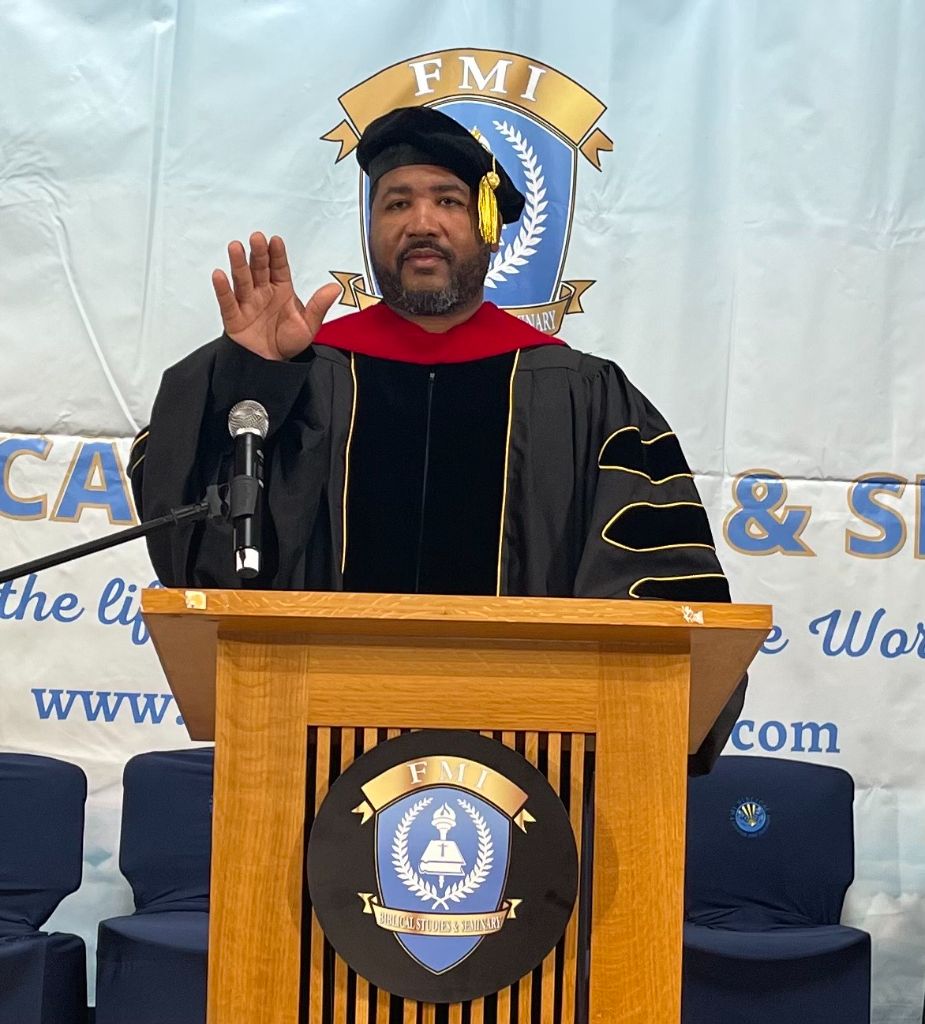
Dr. McKnight
The Contracting Preacher | Federal Contracting Consultant
Dr. McKnight is a federal contracting consultant with offices across the country. He helps small businesses navigate SAM registration, SBA certifications, and proposal writing to pursue federal contracting opportunities.
Related Articles
SAM.gov Registration Guide: Everything You Need to Know in 2026
A comprehensive guide to registering your business on SAM.gov in 2026. Learn about UEI numbers, NAICS codes, representations and certifications, and common mistakes to avoid.
Read more CertificationsHow South Carolina Small Businesses Can Leverage the 8(a) Program
South Carolina has a vibrant small business community with tremendous potential for federal contracting. Learn how the SBA 8(a) program can open doors to lucrative government contracts.
Read more CertificationsHUBZone Certification: Is Your South Carolina Business Eligible?
Many South Carolina businesses are located in Historically Underutilized Business Zones and don't even know it. Find out if your business qualifies for HUBZone certification.
Read more