How South Carolina Small Businesses Can Leverage the 8(a) Program
South Carolina has a vibrant small business community with tremendous potential for federal contracting. Learn how the SBA 8(a) program can open doors to lucrative government contracts.
South Carolina is home to a thriving small business community — and one of the best-kept secrets in federal contracting. With major military installations like Joint Base Charleston, Fort Jackson, and Marine Corps Air Station Beaufort generating billions in annual procurement, plus a growing federal civilian presence across the state, South Carolina businesses are ideally positioned to win government contracts.
But too few are taking advantage of the most powerful program the SBA offers: the 8(a) Business Development Program.
What Is the SBA 8(a) Program?
The 8(a) Business Development Program is a nine-year program administered by the Small Business Administration designed to help socially and economically disadvantaged business owners compete for federal contracts.
- The program provides access to:
- Sole-source contracts — Contracts awarded without competition, up to $4.5 million for services and $7 million for manufacturing
- Set-aside competitions — Contracts reserved exclusively for 8(a) firms
- Mentor-protégé relationships — Partnerships with larger, experienced contractors
- Business development assistance — Training, counseling, and technical assistance from the SBA
The numbers are significant. The federal government is required to award at least 5% of all federal contracting dollars to small disadvantaged businesses — and 8(a) firms are the primary pathway to those contracts.
Who Qualifies for 8(a) Certification?
To qualify for the 8(a) program, your business must meet these primary criteria:
*Ownership and Control* At least 51% of the business must be owned and controlled by one or more socially and economically disadvantaged individuals who are U.S. citizens.
*Social Disadvantage* The SBA presumes social disadvantage for members of certain racial and ethnic groups: African Americans, Hispanic Americans, Asian Pacific Americans, Subcontinent Asian Americans, and Native Americans. Others can qualify by demonstrating social disadvantage through a personal narrative.
- *Economic Disadvantage*
- The disadvantaged owner(s) must have:
- Personal net worth less than $850,000 (excluding equity in primary residence and business)
- Average adjusted gross income of $400,000 or less over the past three years
- Total assets of $6.5 million or less
- *Business Requirements*
- Must be a small business under SBA size standards for your primary NAICS code
- Must have been in business for at least two years (waivable in certain circumstances)
- Must demonstrate potential for success
- Must not have previously participated in the 8(a) program
Why South Carolina Businesses Have an Advantage
South Carolina's business community is particularly well-positioned for 8(a) success for several reasons:
*Military Presence* South Carolina has four major military installations plus numerous Reserve and National Guard facilities. Military bases are among the most active federal buyers, procuring everything from IT services and construction to food services, janitorial, and logistics. An 8(a) firm in South Carolina has natural geographic advantages for base contracts.
*Growing Federal Civilian Footprint* Federal agencies with significant presence in South Carolina include the Department of Transportation (Charleston port operations), Social Security Administration, IRS service center in Columbia, and various Department of Defense activities. Each represents contracting opportunities.
*Strong Business Community* South Carolina's business community includes many African American, Hispanic, and veteran-owned businesses that qualify for the 8(a) program. Yet the application rate relative to the eligible population remains low — which means less competition for those who do apply.
The 9-Year Program Structure
The 8(a) program is divided into two phases:
*Developmental Stage (Years 1-4)* During this phase, the SBA provides intensive business development assistance. You can receive sole-source contracts up to the thresholds mentioned above. The focus is on building your business's capacity and competitive positioning.
*Transitional Stage (Years 5-9)* In this phase, the program emphasizes preparing you for full and open competition. Contract opportunities shift more toward competed 8(a) set-asides. You continue to have access to program benefits but with increasing independence.
The Application Process
The 8(a) application is submitted through the SBA's MySBA Certifications portal. The application requires extensive documentation including:
- Three years of business and personal tax returns
- Financial statements (balance sheet, profit & loss)
- Personal financial statements for all owners
- Business licenses and registrations
- Organizational documents (articles of incorporation, operating agreement, bylaws)
- Personal narrative statement demonstrating social disadvantage
- Contracts and revenues history
- Resumes and professional credentials
The personal narrative is one of the most critical elements for applicants who must demonstrate social disadvantage outside the presumed groups. This document tells your story — the specific experiences that have created disadvantage in your business life. It requires careful, thoughtful writing.
Processing time from submission to approval typically runs 90 days, though complex cases can take longer.
Common Reasons for 8(a) Application Denial
Understanding why applications get denied helps you avoid these pitfalls:
1. Insufficient evidence of control — The disadvantaged owner must truly control the business, not just own it on paper. Day-to-day management, key business decisions, and operational authority must rest with the eligible owner.
2. Personal net worth issues — Assets that should be excluded are sometimes included, or excluded assets aren't properly documented.
3. Weak personal narrative — The personal narrative doesn't provide sufficient specific examples of social disadvantage.
4. Two-year rule — Business hasn't been operating for two years (though there are limited waivers).
5. Size standard non-compliance — Business exceeds the SBA size standard for its primary NAICS code.
How The Contracting Preacher Can Help
Dr. McKnight has guided numerous South Carolina businesses through the 8(a) application process successfully — including approvals on the first submission. Our 8(a) Certification assistance includes:
- Complete eligibility pre-assessment before you invest time in the application
- Full application document preparation and organization
- Personal narrative statement writing (the most challenging component)
- Financial document review and preparation
- SBA liaison and follow-up throughout the review process
- Annual review preparation for the program's duration
- Mentor-Protégé program guidance
If you're a South Carolina small business owner from a socially and economically disadvantaged background, the 8(a) program could be the most powerful business development tool available to you. Schedule your free consultation to find out if you qualify.
Ready to Win Contracts?
Get Personalized Guidance from Dr. McKnight
Every business situation is unique. Schedule a free 30-minute consultation and get a custom roadmap for winning federal contracts.
Schedule Free Consultation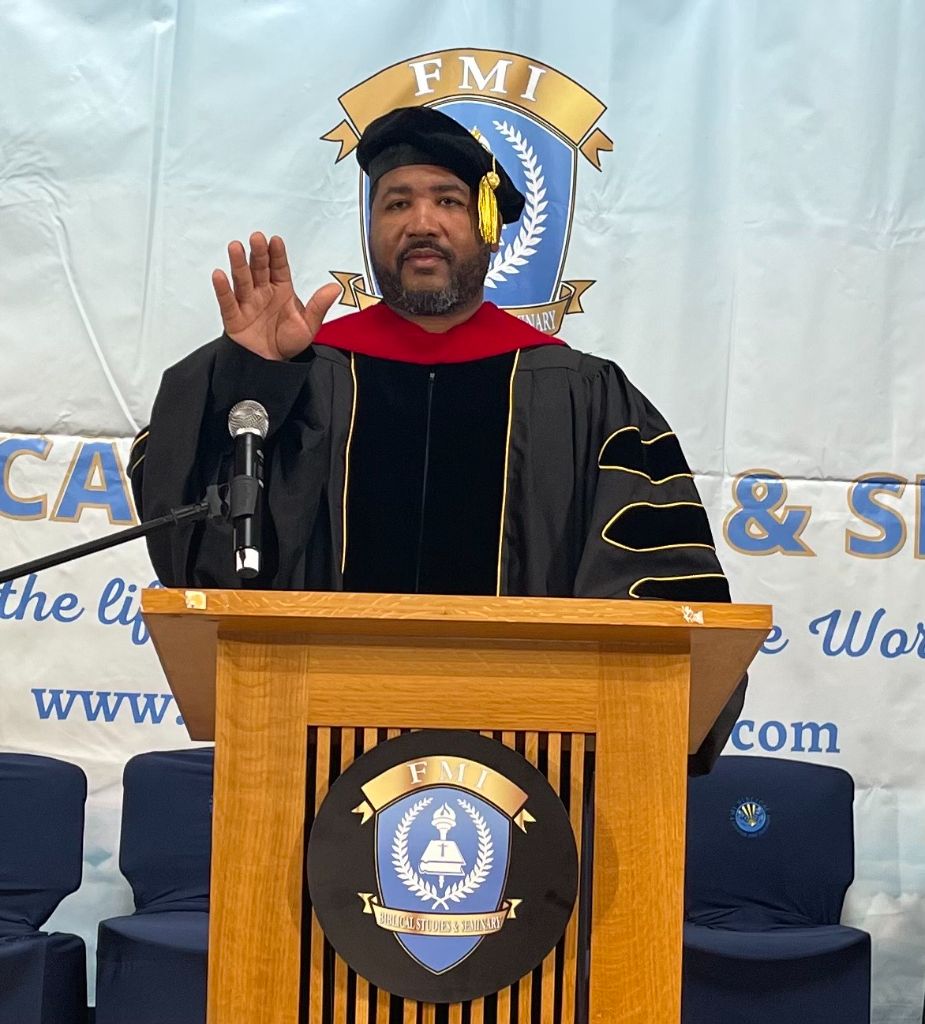
Dr. McKnight
The Contracting Preacher | Federal Contracting Consultant
Dr. McKnight is a federal contracting consultant with offices across the country. He helps small businesses navigate SAM registration, SBA certifications, and proposal writing to pursue federal contracting opportunities.
Related Articles
5 Steps to Win Your First Federal Government Contract in 2026
Breaking into federal contracting doesn't have to be overwhelming. Dr. McKnight shares the five essential steps every small business needs to take to win their first government contract this year.
Read more CertificationsHUBZone Certification: Is Your South Carolina Business Eligible?
Many South Carolina businesses are located in Historically Underutilized Business Zones and don't even know it. Find out if your business qualifies for HUBZone certification.
Read more Getting StartedTop 10 NAICS Codes for Small Businesses New to Federal Contracting
Choosing the right NAICS codes is critical for your SAM registration and your ability to find and win contracts. Here are the top 10 NAICS codes that small businesses should consider.
Read more